
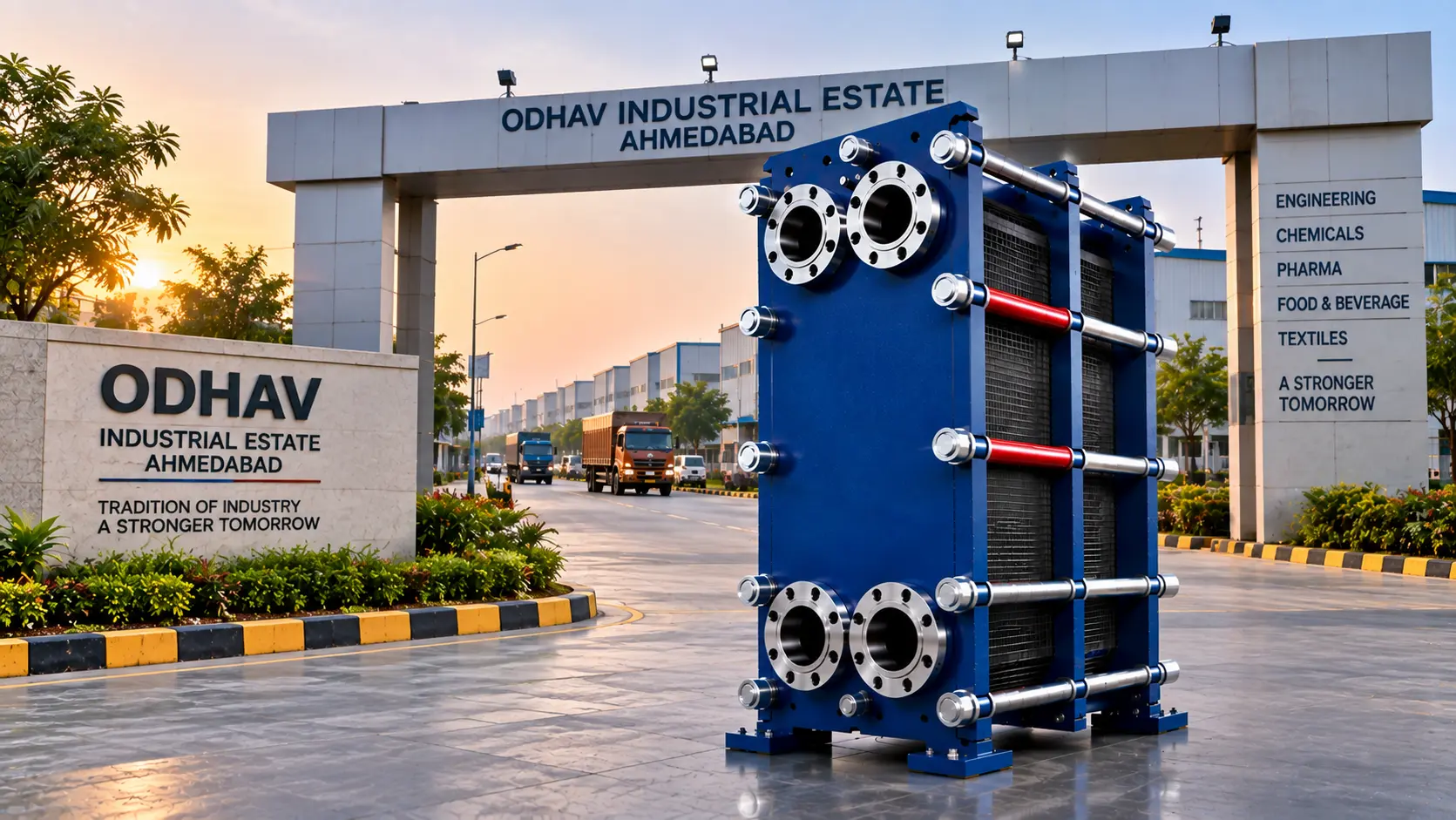
When you run a sugar unit, a dairy line, or a chemical batch process in the Sangli belt, heat transfer is not a back-office detail. It decides your energy bill, your throughput, and how often your plant stops for cleaning. That is why sourcing the right plate heat exchanger manufacturers in Sangli matters more than most buyers realise. The Sangli-Miraj-Kupwad industrial corridor runs on processes that constantly move heat, from turmeric and jaggery processing to textiles, pharma, and food preservation, and a poorly matched heat exchanger quietly drains profit every shift.
This guide is for plant engineers, purchase heads, and small-business owners who want to buy with confidence, not just collect quotations.
Why the Sangli Industrial Belt Has Specific Heat Transfer Needs
Sangli’s industry mix is unusual. Seasonal sugar and agro-processing loads sit next to year-round dairy, beverage, and chemical operations. That combination creates two demands at once: equipment that handles high-fouling fluids like sugar juice, and equipment that holds tight temperature control for milk pasteurisation or fermentation.
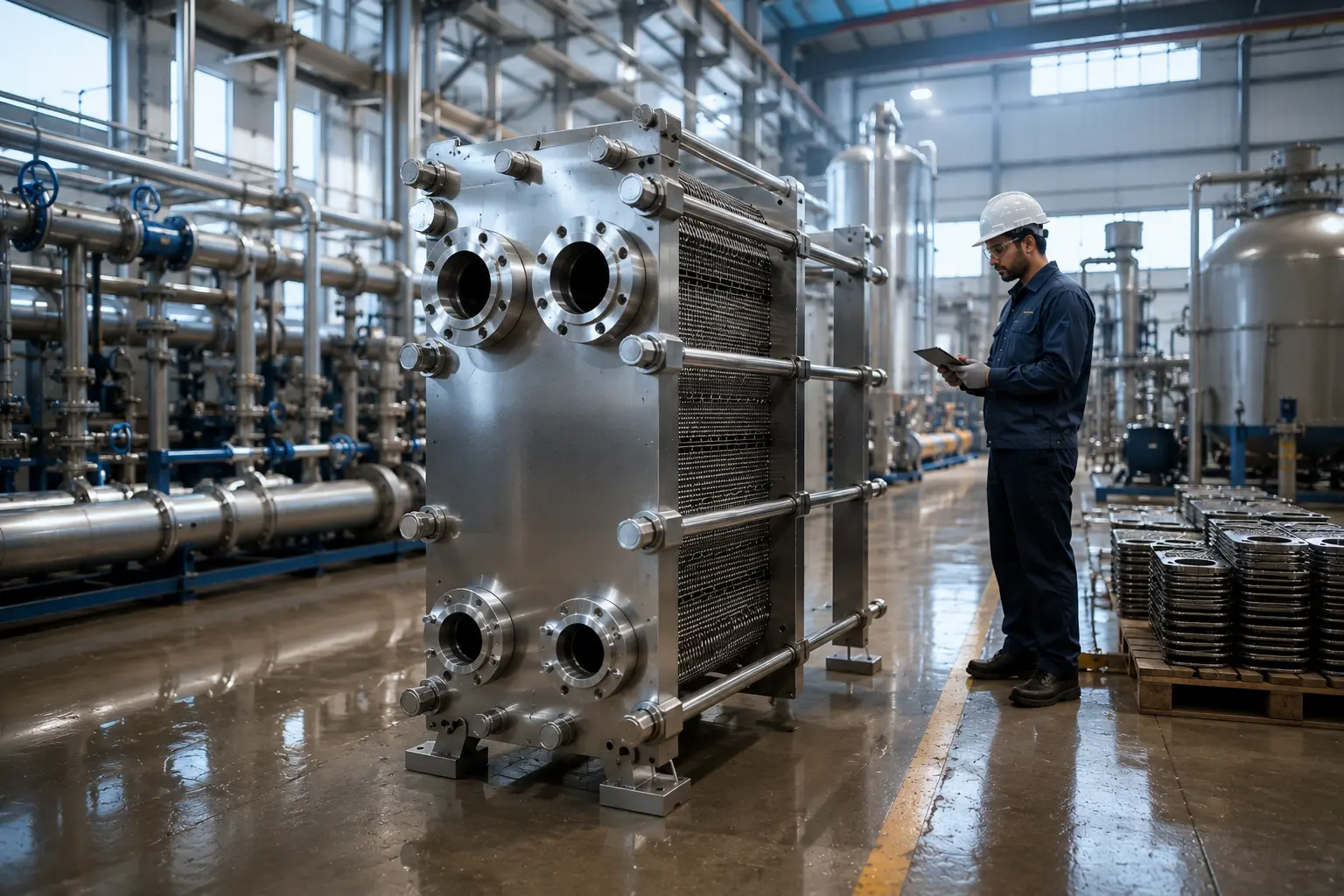
A plate heat exchanger (PHE) suits both because it uses thin corrugated metal plates pressed together to form narrow flow channels. Hot and cold fluids pass through alternate channels, transferring heat across a large surface area in a compact frame. The result is high thermal efficiency, a small footprint, and the ability to open the unit, clean the plates, and add or remove plates as your load changes.
What Makes a PHE Better Than a Shell-and-Tube Unit Here?
For most agro and food applications in this region, a gasketed plate unit beats a traditional shell-and-tube design on three fronts. It recovers more heat from the same temperature difference, cleans far faster because you can physically open it, and occupies a fraction of the floor space, which matters in older mill buildings where room is tight. Shell-and-tube still wins for very high pressures, but those cases are the exception in the Sangli cluster.
Plate Heat Exchanger Suppliers in Miraj: How to Judge Quality Before You Buy
Miraj sits at the heart of this manufacturing zone, and reliable plate heat exchanger suppliers in Miraj increasingly serve both local plants and units across western Maharashtra. But proximity alone should never decide your purchase. Use a clear checklist instead.
First, look at plate metallurgy. Stainless steel 304 works for general water and mild duties, 316 handles chlorides and more aggressive media common in chemical processes, and titanium becomes relevant only for highly corrosive or saline streams.
Second, ask about pressing depth and corrugation pattern. Chevron-angle plates control turbulence, and the right angle for your fluid decides both heat transfer and pressure drop. A supplier who cannot explain why they chose a pattern for your duty is selling a box, not a solution.
Third, confirm whether they provide a documented thermal design sheet showing flow rates, approach temperature, and fouling allowance. This single document separates engineering-led vendors from resellers.
Which Industries in Miraj and Sangli Rely on PHEs Most?
Dairy and milk chilling, sugar and jaggery clarification, edible oil processing, pharmaceutical jacket cooling, HVAC chiller circuits, and turmeric and spice extraction units all depend heavily on plate heat exchangers. Each has a different fouling profile, so the same model rarely fits two plants. A dairy needs hygienic gaskets and easy strip-down; a sugar unit needs robust plates that survive abrasive, scaling juice.
PHE Gasket Manufacturers in Kupwad: Why the Smallest Part Decides Reliability
Plates get the attention, but gaskets cause most field failures. This is where credible phe gasket manufacturers in Kupwad add real value, because a gasket is not a generic rubber strip. It seals the channels, directs flow, and absorbs thermal expansion thousands of times a day.
Choosing the correct elastomer is critical. Nitrile (NBR) suits general water, oil, and moderate temperatures. EPDM handles hot water, steam, and many chemicals but fails against oils. Viton, or FKM, takes high temperatures and aggressive media but costs more. Fitting EPDM on an oil duty, or NBR on a steam line, leads to swelling, leaks, and an unplanned shutdown within weeks.
Glued Versus Clip-On Gaskets: Which Should You Specify?
Glued gaskets give a very secure seal and suit high-pressure or critical hygienic duties, but they take longer to replace. Clip-on or snap-fit gaskets allow faster plate servicing, which plants with frequent cleaning cycles prefer. The right choice depends on how often your team opens the unit, so discuss your real cleaning frequency rather than accepting a default.
How to Match a Plate Heat Exchanger to Your Exact Process
A good purchase starts with data, not a catalogue. Before requesting a quote, gather your hot and cold side flow rates, inlet and outlet temperatures, working pressure, and the nature of your fluid, especially its tendency to scale or foul. Note whether the duty is continuous or seasonal, because intermittent sugar-season loads stress gaskets differently than steady dairy operation.
From this, a competent engineer calculates the heat duty, selects plate count, fixes the corrugation pattern, and builds in a fouling margin. Skipping the fouling allowance is the most common costly mistake; a unit sized for clean conditions chokes within a season once scaling begins. Oversizing is the opposite trap: it wastes capital and makes pumps burn more power.
Maintenance and Operational Care That Extends Service Life
A plate heat exchanger rewards routine attention. Monitor inlet and outlet temperatures; a widening gap between expected and actual performance signals fouling. Watch pressure drop, since a steady rise means deposits are narrowing the channels. Clean plates with the correct mild chemical solution rather than harsh abrasives that scratch the surface and accelerate corrosion.
When you reassemble, respect the tightening dimension specified for the plate pack. Over-tightening crushes gaskets; under-tightening invites leaks. Keep spare gaskets matched to your elastomer grade so a seasonal failure does not halt production while parts are sourced.
How Often Should a PHE Be Opened and Cleaned?
There is no universal interval. A clean HVAC water circuit may run a year between services, while a sugar-juice clarifier might need cleaning every few weeks during peak crushing. Let your performance data drive the schedule: rising pressure drop and falling heat recovery are your two most honest indicators.
Where SRJ Heatt Exchangers India Pvt. Ltd. Fits In
For buyers weighing local options, SRJ Heatt Exchangers India Pvt. Ltd. approaches each enquiry as an engineering problem rather than a stock sale. The focus is on matching plate metallurgy, corrugation pattern, and gasket grade to the actual process duty, backed by clear thermal design documentation. For plants across the Sangli, Miraj, and Kupwad belt running demanding agro, dairy, and chemical loads, that design-first discipline is what keeps a unit efficient season after season, not just on commissioning day.
Final Word
Buying heat transfer equipment well is less about finding the nearest vendor and more about finding one that engineers the solution around your fluid, your load, and your maintenance reality. The strongest plate heat exchanger manufacturers in Sangli will ask detailed questions before quoting, document their thermal design, and guide you on gasket and plate selection rather than handing over a generic unit. Treat that rigour as a sign of credibility. In a region built on processing, the right exchanger pays you back quietly, shift after shift, in lower energy bills and fewer surprise shutdowns.