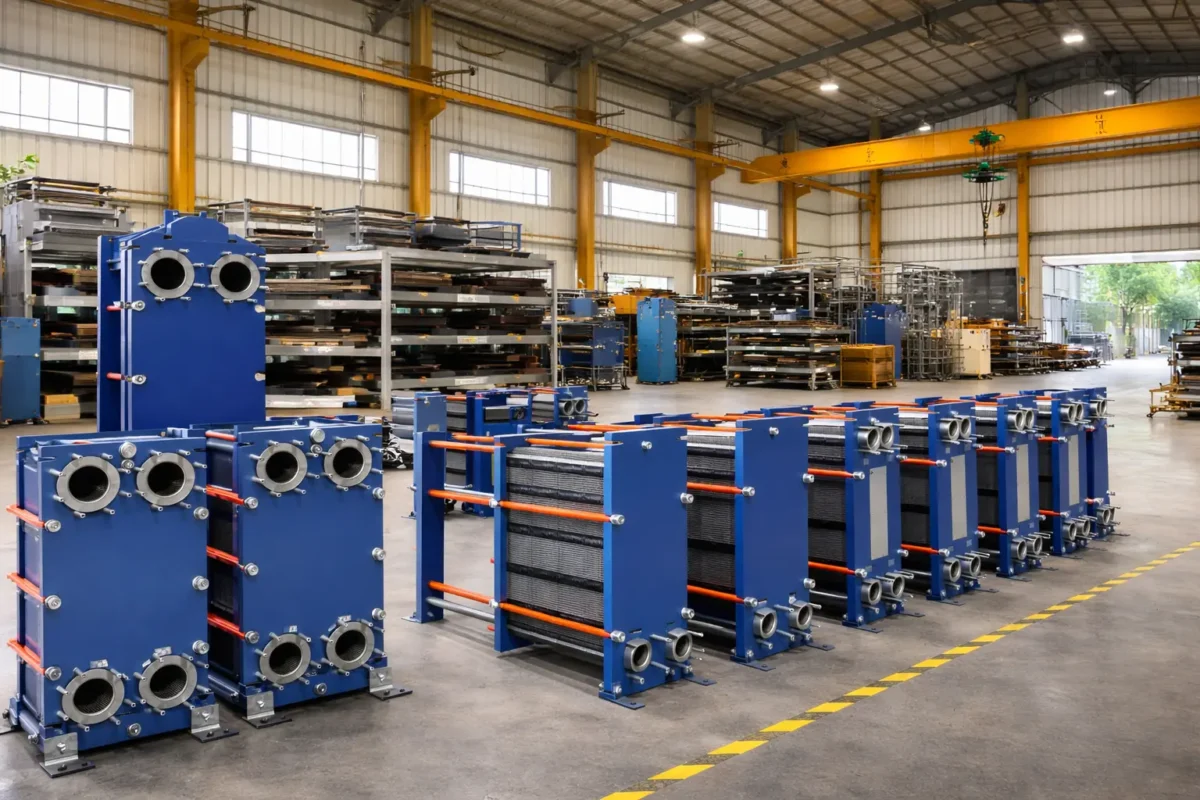
Industrial thermal systems depend heavily on efficient heat transfer equipment to maintain process stability, energy efficiency, and reliable temperature control. Among the most widely used technologies in modern industry are plate heat exchangers. Because of their compact design, high heat transfer efficiency, and flexible configuration, plate heat exchangers are installed in HVAC systems, industrial utilities, food processing plants, dairy processing facilities, chemical industries, and energy plants.
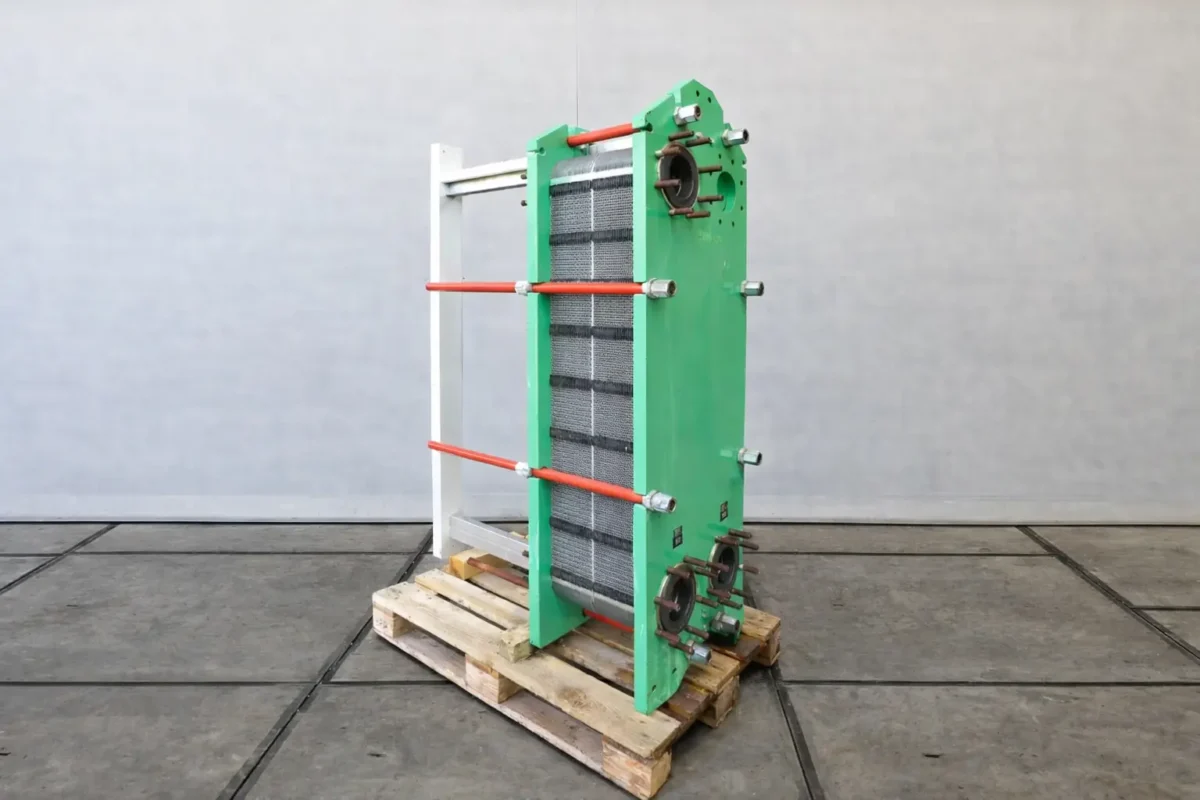
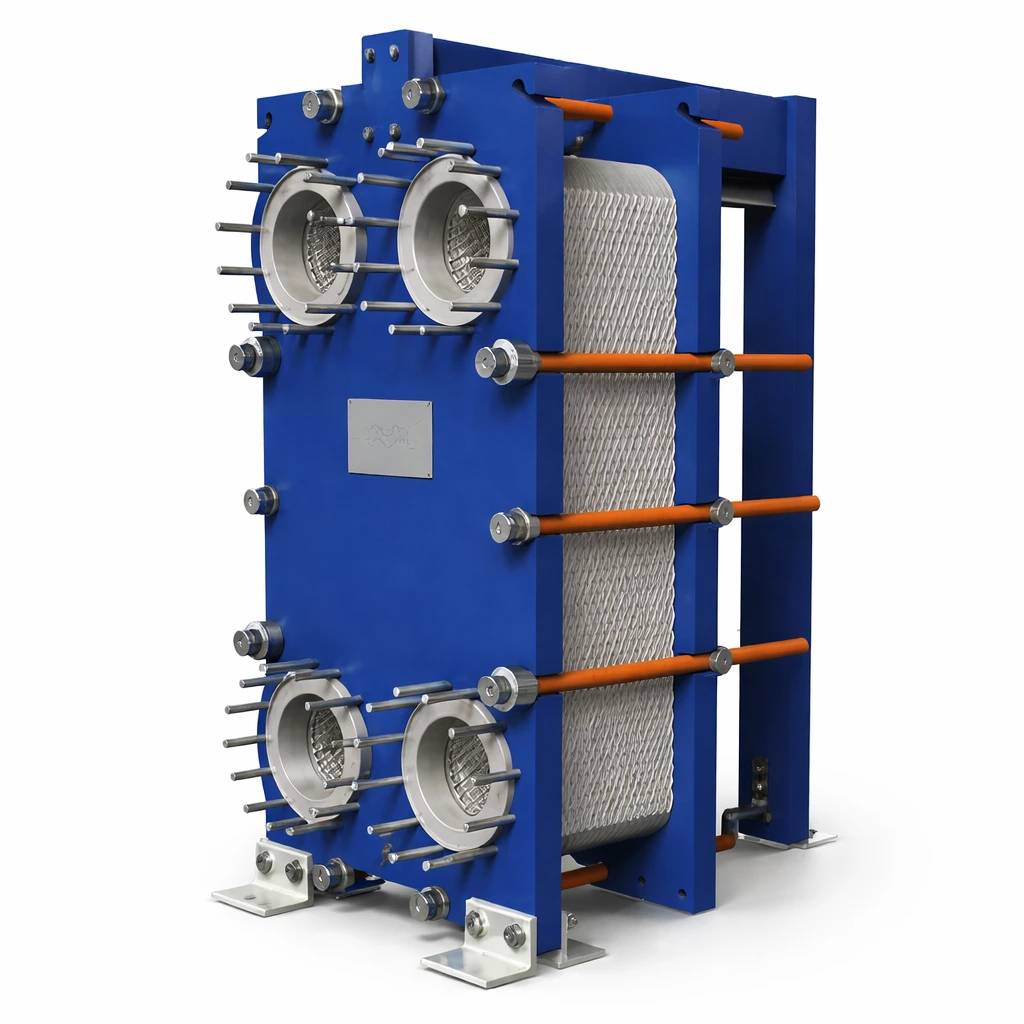
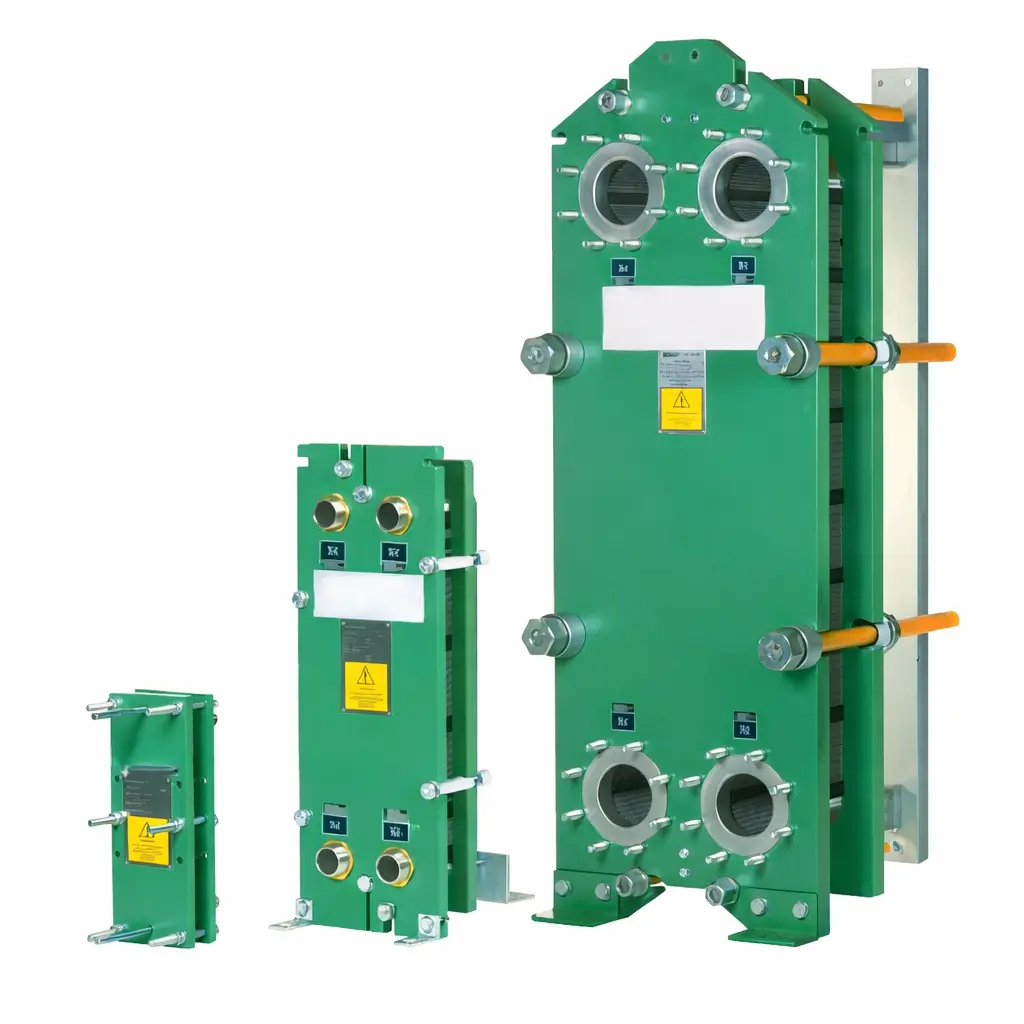
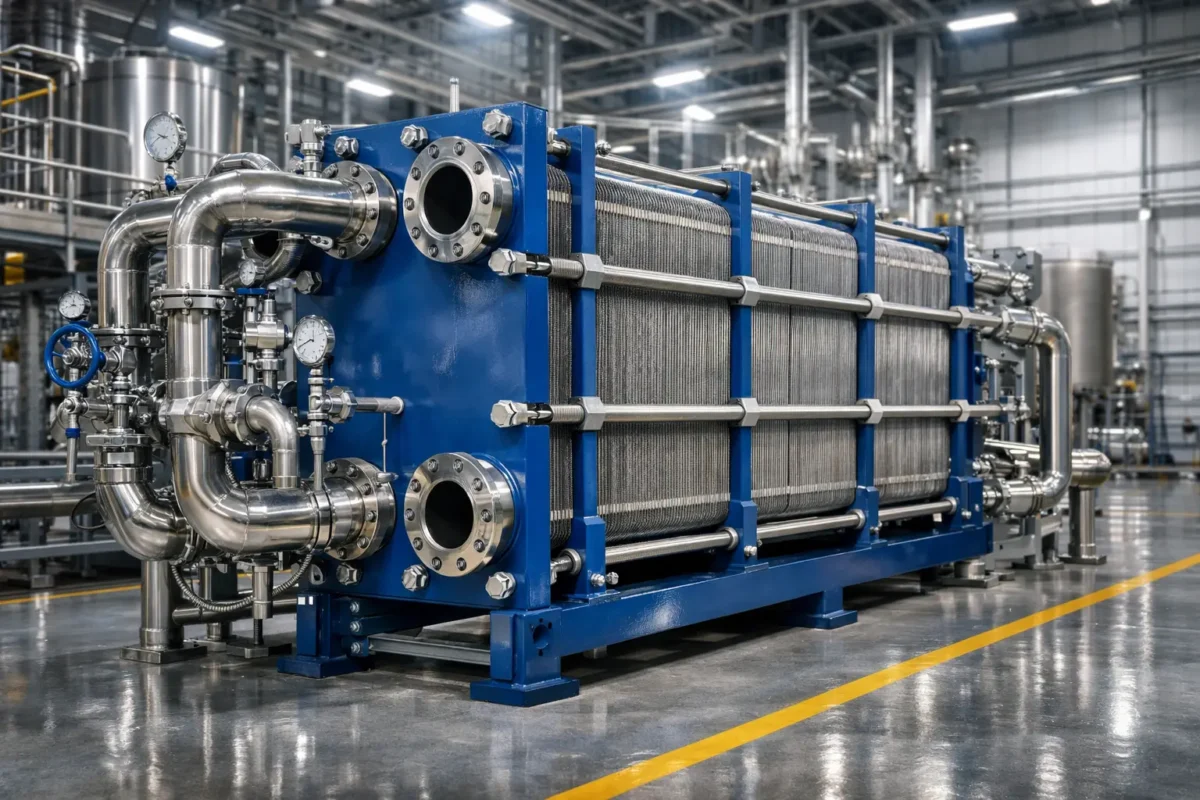
A plate heat exchanger phe system transfers heat between two fluids through a series of thin metal plates. These plates are arranged to create alternating channels that allow hot and cold fluids to flow without mixing. Due to this design, plate heat exchangers provide efficient thermal performance while occupying significantly less space compared to traditional heat transfer equipment.
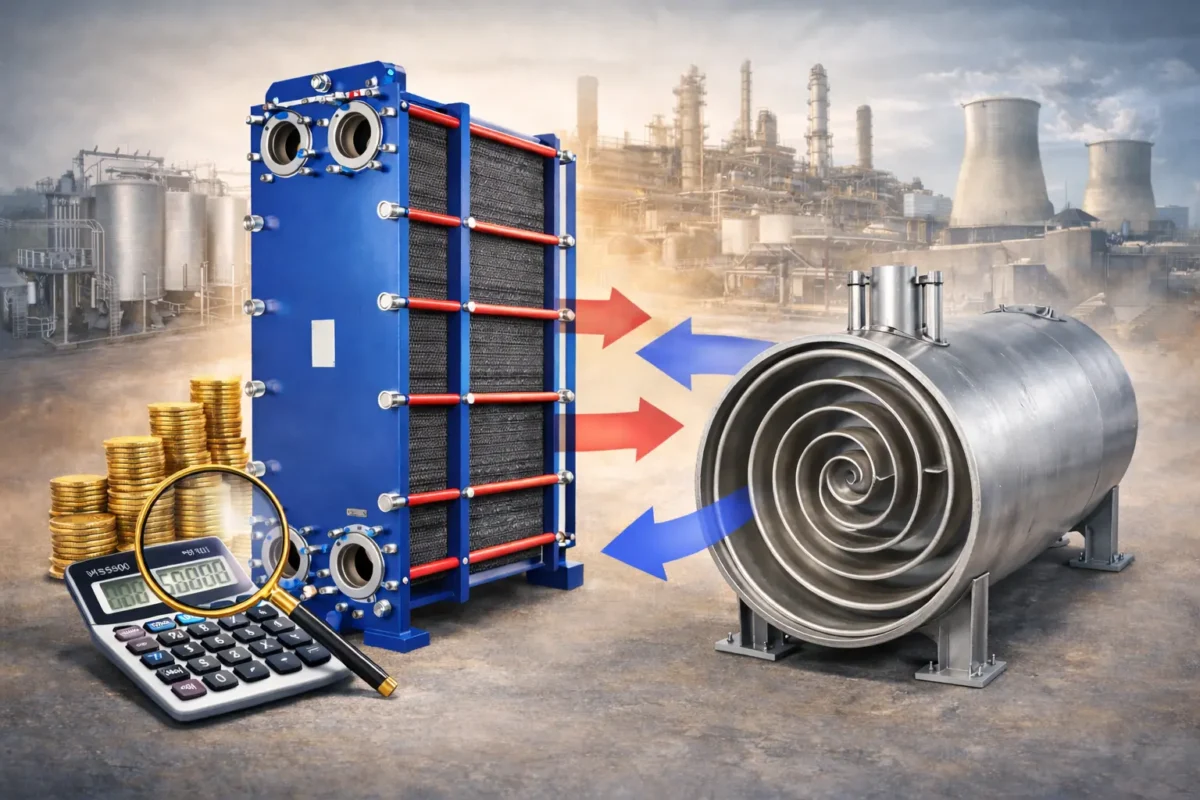
Industries searching for reliable thermal systems often evaluate plate heat exchanger manufacturers, plate heat exchanger supplier networks, and plate heat exchanger price factors before selecting the appropriate system.
Understanding Plate Heat Exchanger Working
The principle of plate heat exchanger working is based on heat transfer through metal surfaces. Multiple plates are stacked together to form a plate pack where fluids flow through separate channels.
Each plate contains a corrugated pattern that creates turbulence inside the channels. This turbulence increases heat transfer efficiency while reducing energy consumption. Because of this design, plate heat exchangers can transfer large amounts of thermal energy even within a compact unit.
The basic plate heat exchanger working process includes:
- Hot fluid entering the heat exchanger
- Cold fluid entering a separate channel
- Heat transferring through the metal plates
- Fluids exiting the system without mixing
This efficient design is the reason why plate heat exchangers are widely used in industrial heating and cooling applications.
Plate Heat Exchanger Manufacturers and Supply
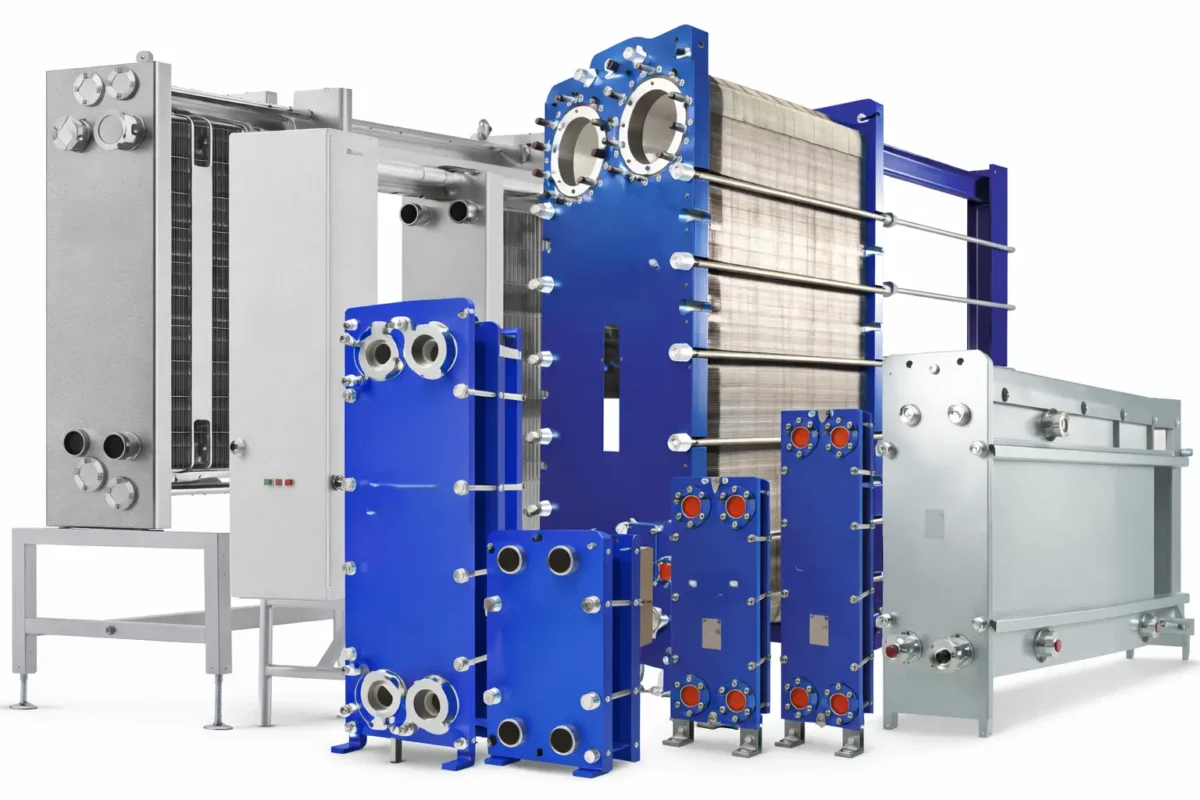
Selecting reliable plate heat exchanger manufacturers is important for industries that require dependable thermal equipment. Experienced plate heat exchanger manufacturers focus on engineering accuracy, plate geometry, corrosion resistance, and compatibility with industrial operating conditions.
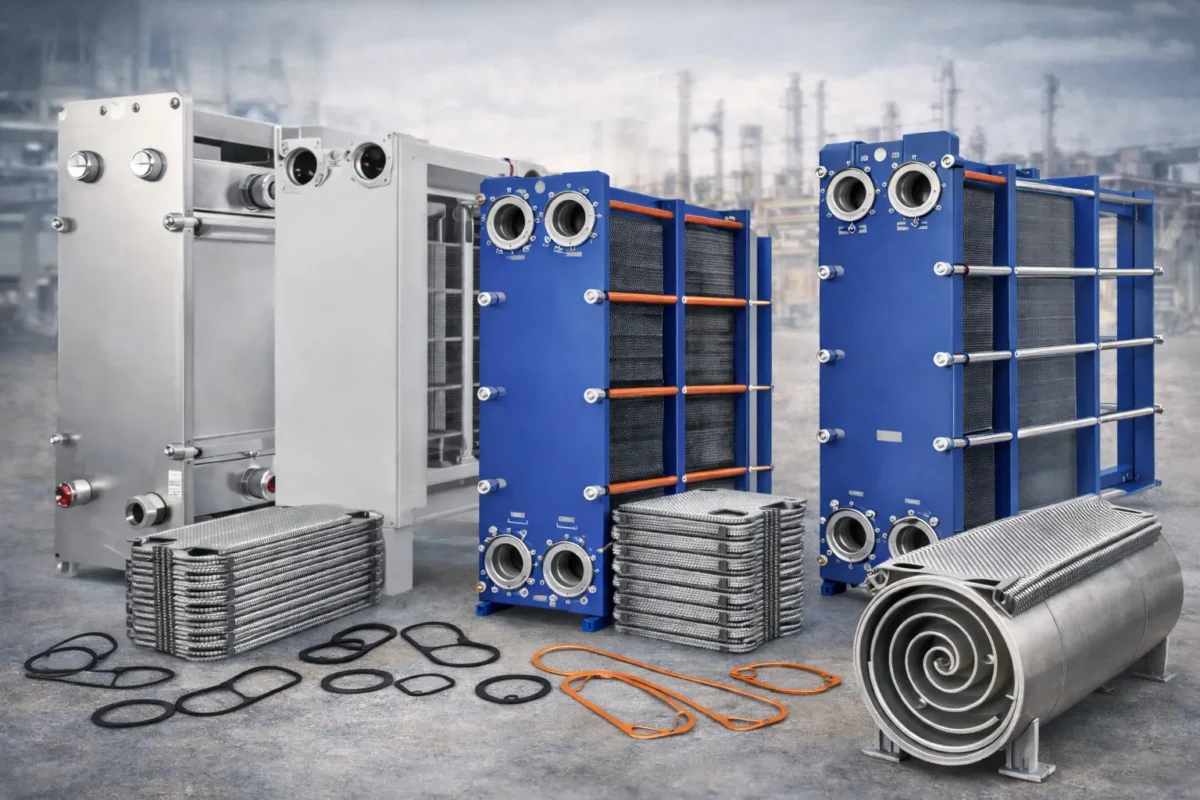
Many industries also depend on a trusted plate heat exchanger supplier that can provide replacement plates, gaskets, and technical support. A dependable plate heat exchanger supplier ensures consistent product availability and supports maintenance operations across various industries.
When evaluating plate heat exchanger manufacturers, industries typically consider the following factors:
- Manufacturing precision
- Material quality and corrosion resistance
- Plate design for heat transfer efficiency
- Gasket sealing performance
- Technical support and compatibility
Working with experienced plate heat exchanger manufacturers helps industries maintain stable heat transfer performance and reduce operational downtime.
Plate Heat Exchanger Price Factors
The plate heat exchanger price varies depending on several engineering and operational factors. Industrial buyers usually analyze the plate heat exchanger price based on system capacity, number of plates, plate material, gasket type, and operating conditions.
Common factors that influence plate heat exchanger price include:
- Plate material such as stainless steel or titanium
- Plate thickness and size
- Number of plates required for heat transfer
- Gasket material and sealing design
- Pressure and temperature operating limits
Understanding these parameters helps industries evaluate the correct plate heat exchanger price for their specific applications while ensuring long-term efficiency.
Plate Heat Exchanger HVAC Applications
One of the most common uses of plate heat exchangers is in HVAC infrastructure. A plate heat exchanger hvac system is used to transfer heat between chilled water and heating water circuits in commercial buildings, hospitals, hotels, and industrial facilities.
In HVAC applications, plate heat exchanger hvac systems help improve energy efficiency and maintain precise temperature control. The compact design of plate heat exchanger hvac units also makes them ideal for installations where space is limited.
HVAC engineers often prefer plate heat exchangers because they provide high efficiency while allowing easy maintenance and flexible capacity adjustments.
Plate Heat Exchanger Chiller Systems
Another important application is in refrigeration and cooling infrastructure. A plate heat exchanger chiller system is commonly used in industrial cooling plants and commercial air conditioning systems.
In these systems, the plate heat exchanger chiller transfers heat between refrigerant circuits and water loops, ensuring stable cooling performance. Because of their high heat transfer efficiency, plate heat exchangers help improve the performance of plate heat exchanger chiller installations.
These systems are widely used in data centers, manufacturing plants, and large commercial buildings where reliable cooling is essential.
Plate Heat Exchanger Gasket and Sealing Technology
Sealing integrity is critical for any heat exchanger system. A plate heat exchanger gasket ensures that fluids remain separated while maintaining pressure within the system.
High-quality plate heat exchanger gasket materials are designed to withstand temperature variations, pressure cycles, and chemical exposure. The most common materials used in plate heat exchanger gasket manufacturing include EPDM, NBR, and HNBR elastomers.
Proper plate heat exchanger gasket installation ensures leak-free operation and reliable long-term system performance.
Plate Heat Exchanger Cleaning and Maintenance
Routine plate heat exchanger cleaning is important to maintain efficient heat transfer performance. Over time, scaling and fouling may accumulate on plate surfaces, reducing heat transfer efficiency.
Regular plate heat exchanger cleaning helps restore thermal performance and extend equipment life. Maintenance teams usually perform plate heat exchanger cleaning through chemical cleaning methods or mechanical cleaning during scheduled shutdowns.
Proper plate heat exchanger cleaning also helps maintain stable pressure drop and improve overall system efficiency.
Plate Heat Exchanger for Milk Pasteurization
The food and dairy industries widely use plate heat exchanger for milk pasteurization because of their hygienic design and efficient heat transfer capability. In dairy processing plants, a plate heat exchanger for milk pasteurization is used to heat milk to the required temperature for microbial safety and then rapidly cool it to maintain product quality.
A plate heat exchanger in milk processing is also used in other stages of dairy production including cream heating, yogurt processing, and beverage preparation.
Because of their easy cleaning and compact design, plate heat exchangers are widely preferred in dairy and beverage industries.
Plate Heat Exchanger Drawing and Engineering Design
Engineering design plays an important role in the performance of heat exchanger systems. A detailed plate heat exchanger drawing is used during manufacturing and installation to ensure proper plate arrangement and flow distribution.
A typical plate heat exchanger drawing includes information about plate geometry, gasket placement, port alignment, and flow direction. Accurate plate heat exchanger drawing documentation helps technicians during installation, maintenance, and troubleshooting.
Industrial Applications of Plate Heat Exchangers
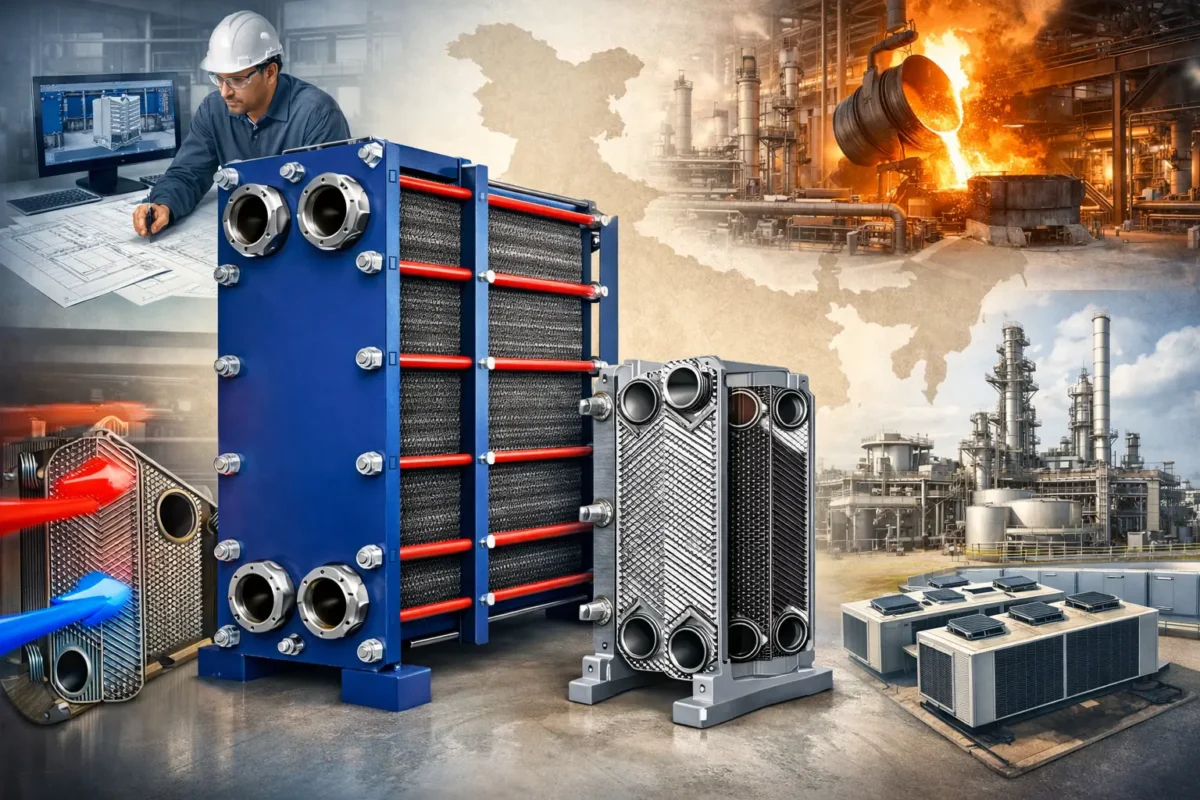
Because of their versatility, plate heat exchangers are used across multiple industrial sectors. Major applications include:
- HVAC heating and cooling systems
- Industrial process heating
- Chemical manufacturing plants
- Food and dairy processing
- Energy recovery systems
- Pharmaceutical production facilities
- Refrigeration and cooling systems
These applications demonstrate the importance of reliable plate heat exchangers in maintaining efficient thermal processes.
Conclusion
Modern industrial operations require efficient heat transfer solutions that can maintain stable temperatures while minimizing energy consumption. Plate heat exchangers provide a compact, efficient, and reliable solution for heating and cooling applications across industries.
By selecting experienced plate heat exchanger manufacturers, working with a dependable plate heat exchanger supplier, and understanding factors that influence plate heat exchanger price, industries can implement thermal systems that support long-term operational efficiency.
From HVAC infrastructure and plate heat exchanger chiller systems to dairy processing and plate heat exchanger for milk pasteurization, these systems remain one of the most effective technologies for industrial heat transfer.