
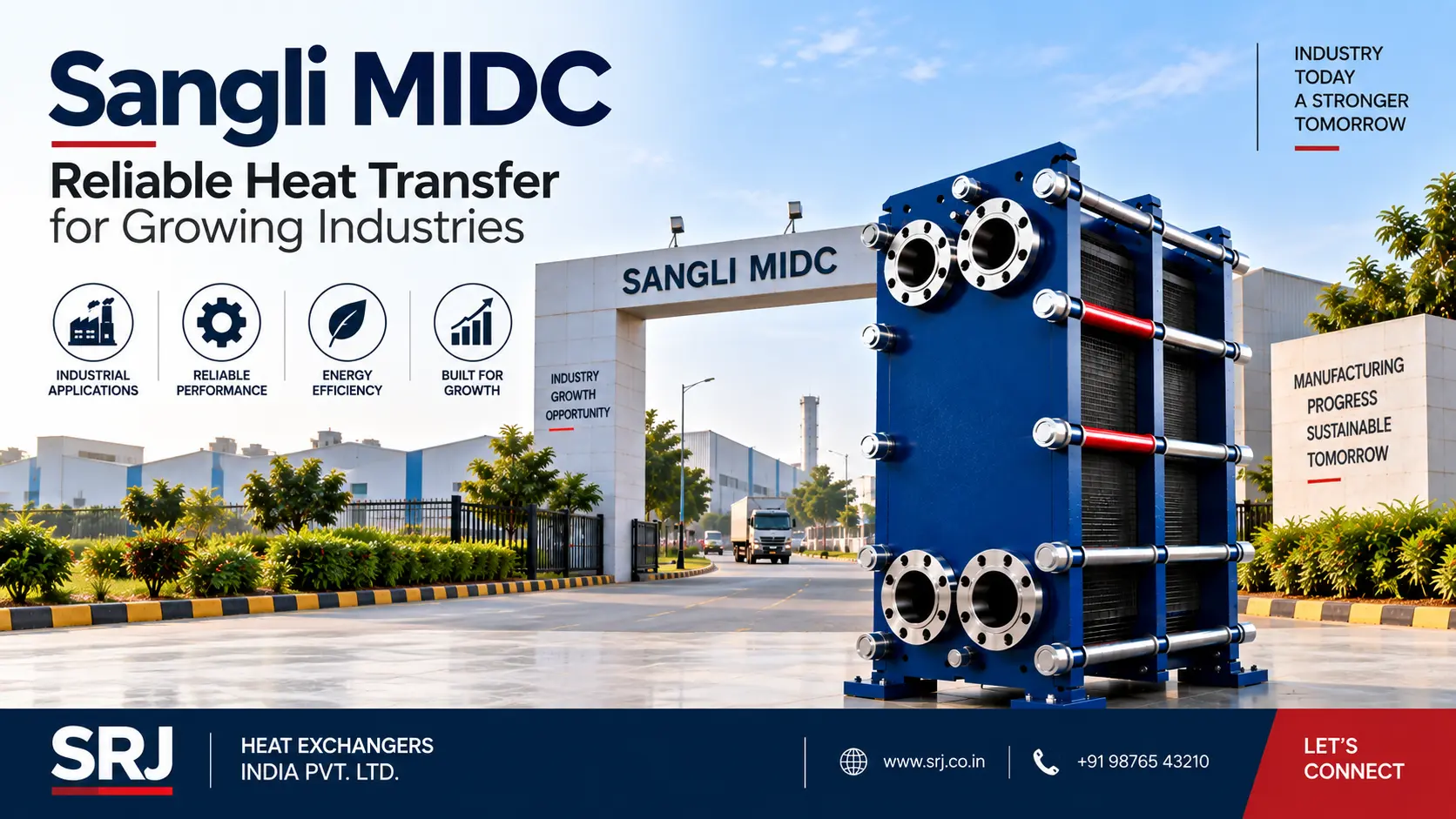
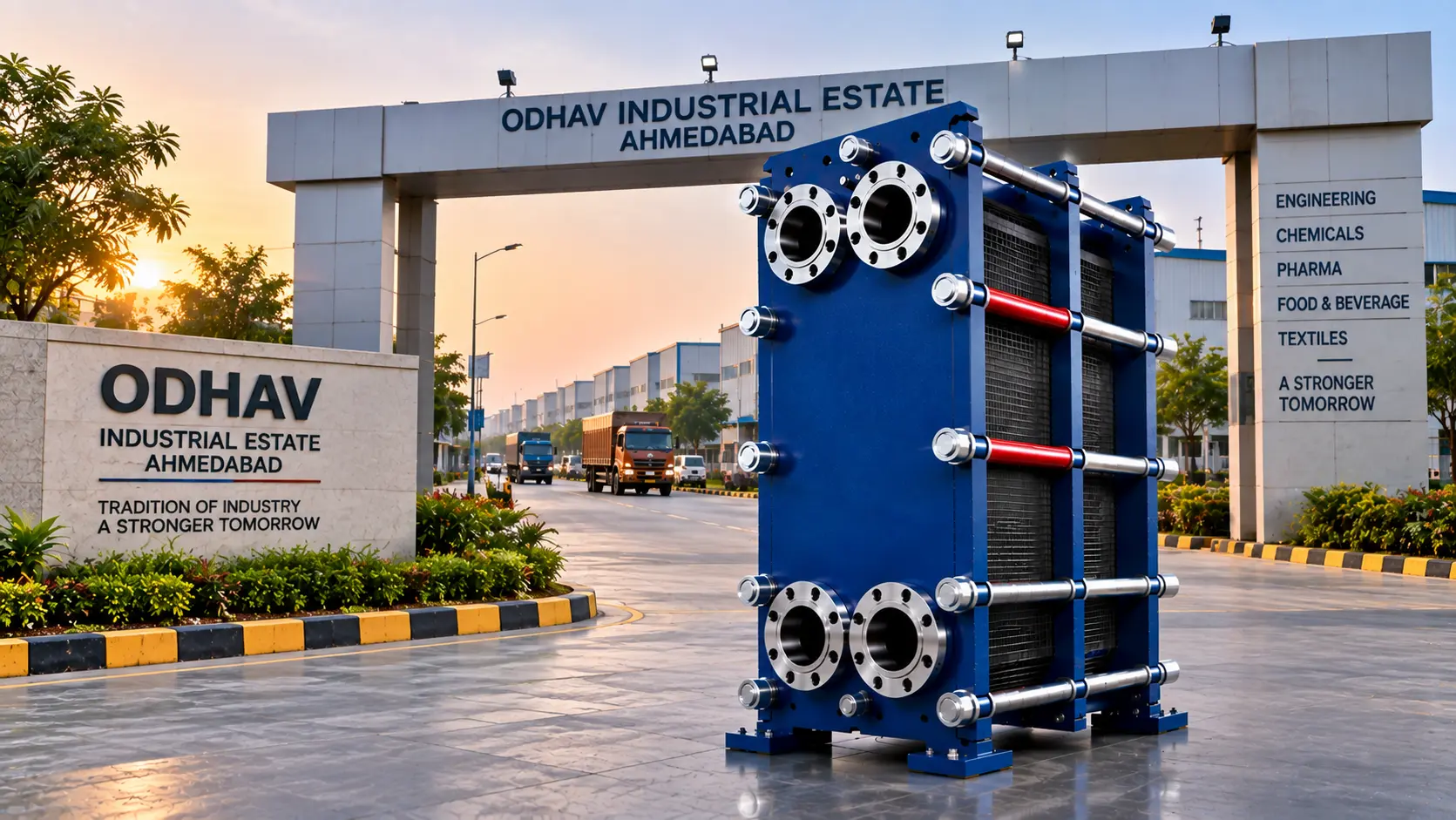
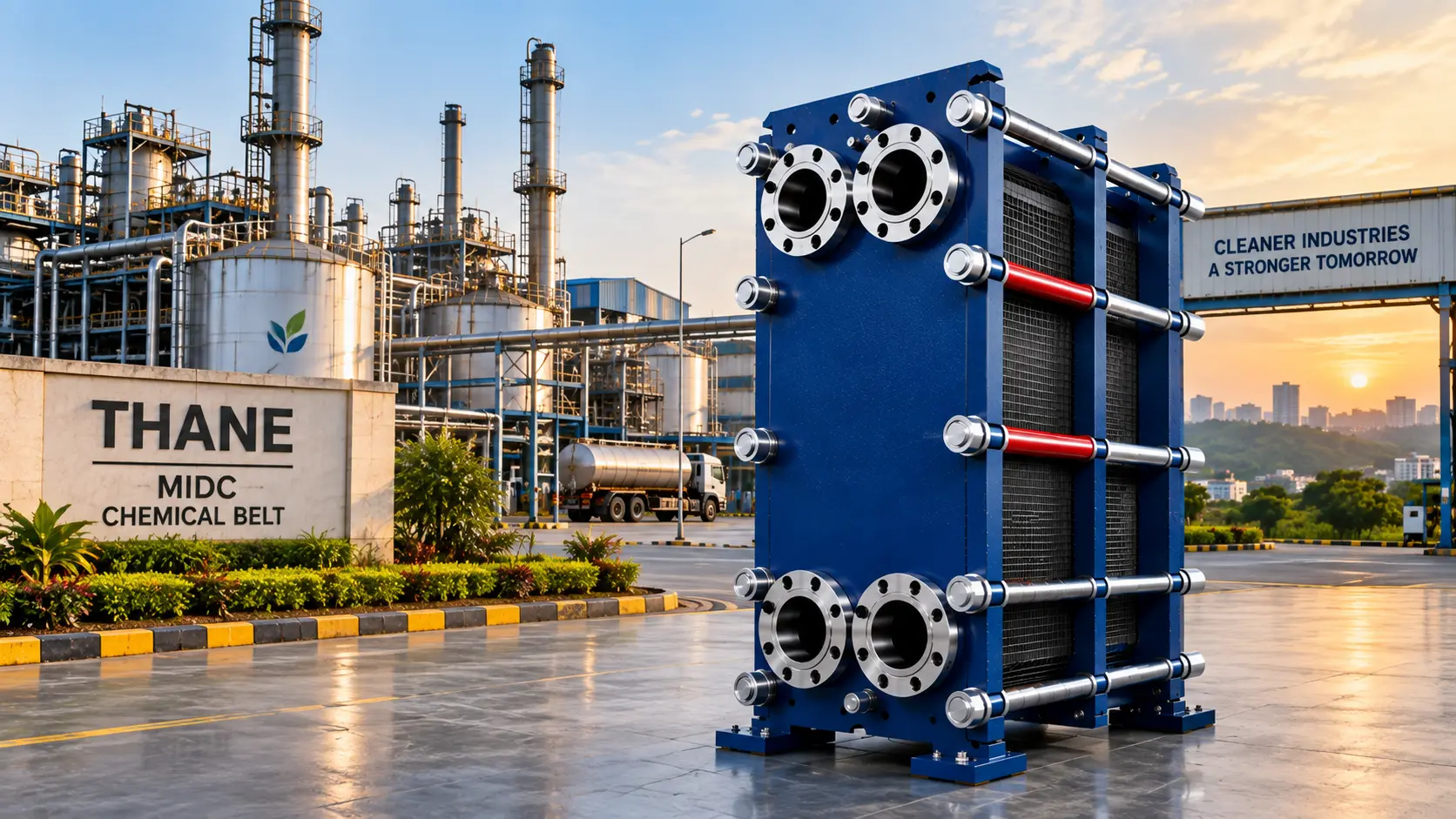
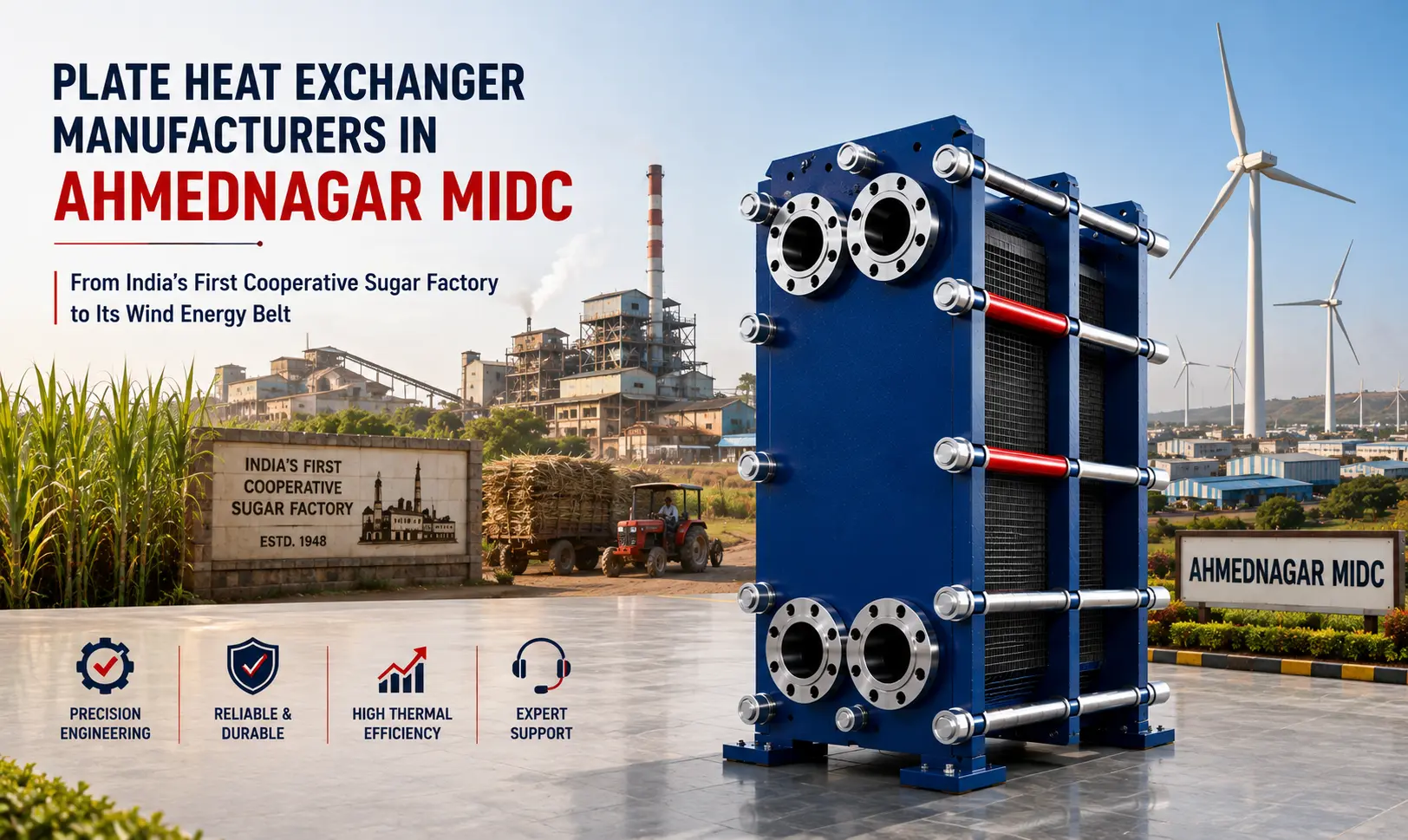
In high-performance industrial environments, heat transfer is not an isolated function. It directly influences product quality, energy efficiency, process stability, and compliance with regulatory norms. As industries evolve toward tighter control and lower energy intensity, the plate type heat exchanger has become a fundamental element of modern thermal system design.
A plate type heat exchanger delivers a unique combination of efficiency, flexibility, and serviceability that aligns with real-world industrial demands. Unlike rigid thermal equipment, plate heat exchangers adapt to changing process conditions while maintaining predictable performance. This adaptability is the primary reason engineers across industries consistently prefer plate-based systems.
Fundamental Heat Transfer Mechanism in Plate Type Heat Exchanger
A plate type heat exchanger operates by transferring heat between two fluids through thin metallic plates arranged in close proximity. Each plate for heat exchanger is designed to maximize surface area while promoting turbulence inside the flow channels.
In a plate to plate heat exchanger, alternating plates form separate channels for hot and cold fluids. The corrugated plate geometry disrupts laminar flow, creating turbulence that significantly improves heat transfer coefficients.
The underlying thermodynamic and fluid mechanics principles governing this process are well documented in academic literature and summarized in authoritative references such as the heat exchanger overview on
Wikipedia heat exchanger
Plate and Frame Heat Exchanger: Structural Engineering Perspective
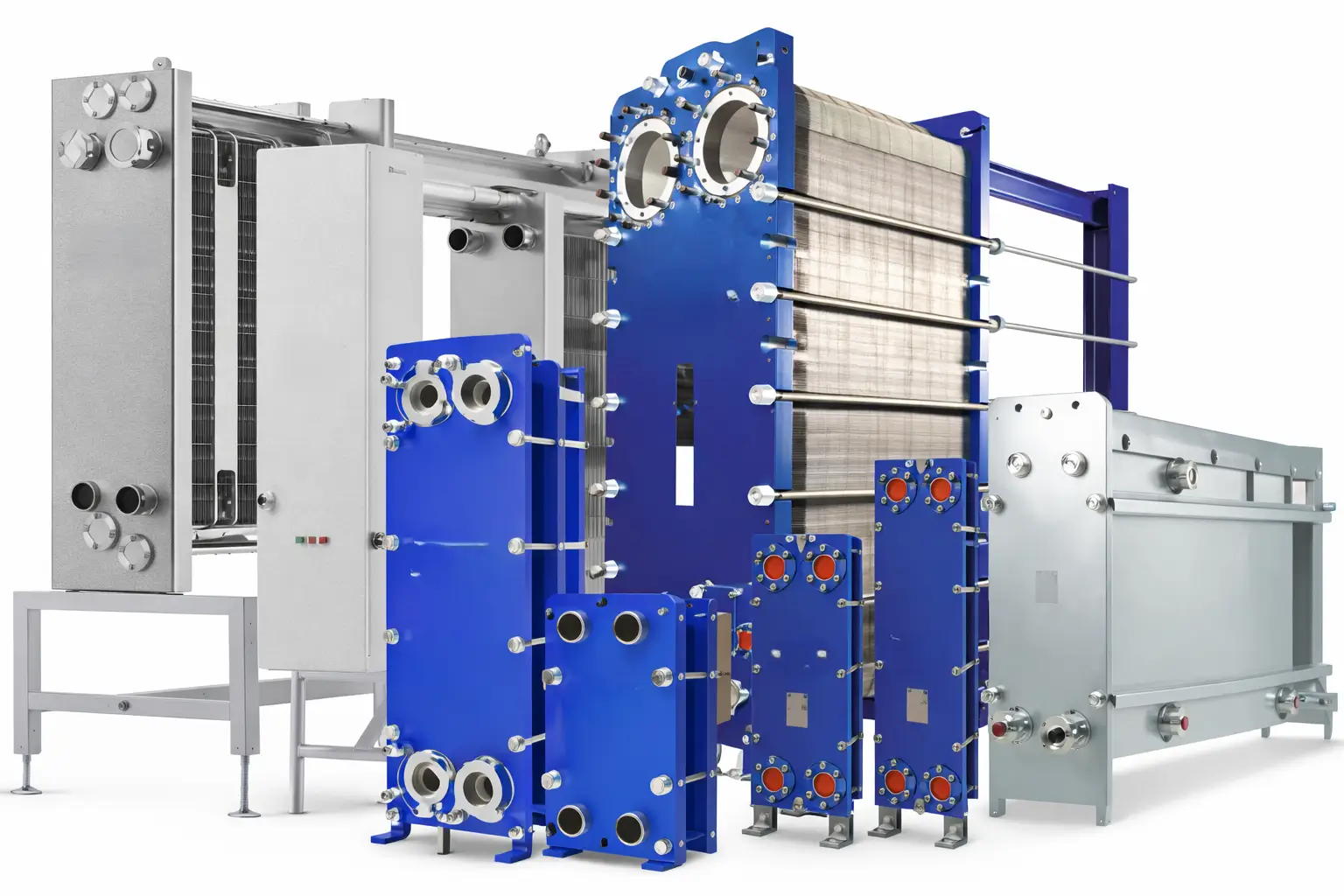
A plate and frame heat exchanger consists of:
- A fixed frame plate and movable pressure plate
- A precisely aligned plate pack
- Sealing elements that control fluid routing
Each phe plate is mounted in a way that ensures uniform compression across the entire plate pack. Proper compression is critical because under-compression can cause leakage, while over-compression can deform plates and reduce thermal performance.
This mechanical simplicity, combined with thermal efficiency, makes the plate and heat exchanger system suitable for continuous industrial operation.
Plate Geometry and Its Impact on Performance
The performance of a phe heat exchanger is strongly influenced by plate geometry. A plate for heat exchanger is not interchangeable across applications without engineering evaluation.
Key Plate Design Parameters
Chevron Angle
- Low angle: lower pressure drop, lower turbulence
- High angle: higher turbulence, higher heat transfer
Plate Thickness
Thicker plates increase pressure resistance but slightly reduce heat transfer efficiency. Thinner plates enhance thermal performance but require precise operating control.
Surface Pattern Depth
Deeper corrugations increase surface area and turbulence, improving heat transfer while increasing pressure drop.
Each phe plate represents a balance between efficiency, mechanical strength, and hydraulic behavior.
Material behavior and corrosion resistance considerations are governed by metallurgical standards published by institutions such as
NIST materials engineering references
Pressure Drop and Flow Distribution Analysis
Pressure drop is a critical design parameter in any plate type heat exchanger. Excessive pressure loss increases pumping energy and operating cost, while insufficient turbulence reduces heat transfer efficiency.
In a properly engineered plate exchanger, pressure drop is optimized by:
- Selecting the correct plate pattern
- Balancing flow velocity
- Ensuring uniform channel distribution
Engineering research published on platforms like
ScienceDirect plate heat exchanger research
explains how turbulence enhancement improves heat transfer without disproportionately increasing pressure loss.
Fouling Behavior and Cleanability Considerations
Fouling is one of the most important lifecycle considerations in plate heat exchangers. Deposits on plate surfaces reduce heat transfer efficiency and increase pressure drop.
A plate type heat exchanger mitigates fouling through:
- High turbulence that limits deposit formation
- Smooth plate surfaces
- Easy dismantling for mechanical cleaning
Because each plate and frame heat exchanger can be opened, fouling can be visually inspected and addressed without specialized tools.
Food safety and hygiene regulations emphasize cleanable equipment designs. Official guidance can be referenced from
FSSAI food processing standards
EFSA food safety authority
Material Selection for Plate Heat Exchangers
Material compatibility directly affects the reliability of a phe heat exchanger. A plate for heat exchanger must withstand:
- Chemical exposure
- Temperature cycling
- Pressure fluctuations
Common industrial materials include various stainless steel grades and specialized alloys selected based on process chemistry. Incorrect material selection can lead to corrosion, plate thinning, and premature failure.
Material performance standards and corrosion data are published by global engineering bodies and government research organizations.
Internal Engineering and Product References
For application-specific configuration and industrial deployment, the following internal resources provide detailed technical direction:
- plate heat exchangers product range overview
plate heat exchangers - plate and frame heat exchanger solutions for process industries
plate and frame heat exchanger - phe heat exchanger welded configurations for demanding duties
phe heat exchanger - plate for heat exchanger manufacturing and plate geometry
plate for heat exchanger - plate exchanger spares and lifecycle optimization
plate exchanger - plate type heat exchanger engineering expertise and company background
plate type heat exchanger
Energy Recovery and Sustainability Impact
A plate type heat exchanger plays a crucial role in industrial energy recovery. Waste heat from one process stream can be recovered and reused, reducing overall energy consumption.
Government and international energy agencies highlight compact heat recovery systems as a best practice for sustainable manufacturing, including guidance from
U.S. Department of Energy
International Energy Agency
Selection Workflow for Plate Type Heat Exchanger
Selecting the correct plate type heat exchanger involves a structured engineering process:
- Define thermal duty and temperature approach
- Analyze fluid properties and fouling tendency
- Select appropriate plate pattern and material
- Verify pressure drop limitations
- Ensure maintenance and access requirements
Skipping any of these steps can compromise the performance of a plate to plate heat exchanger.
Long-Term Operational and Lifecycle Benefits
From a lifecycle perspective, a plate exchanger offers:
- Predictable maintenance schedules
- Lower replacement cost compared to full system change
- Performance restoration through plate replacement
This makes plate heat exchangers particularly suitable for plants adopting predictive maintenance strategies.
Frequently Asked Questions (FAQs)
1. Why is a plate type heat exchanger more efficient than conventional designs?
Because turbulence created by corrugated plates increases heat transfer rates while minimizing surface area and energy use.
2. How does a plate and frame heat exchanger support hygiene-critical processes?
It can be opened, inspected, and cleaned, ensuring compliance with food and pharmaceutical standards.
3. What role does plate geometry play in a phe heat exchanger?
Each phe plate controls flow turbulence, pressure drop, and heat transfer efficiency.
4. Can a plate exchanger handle future capacity increases?
Yes, additional plates can be added to increase thermal capacity without replacing the unit.
5. How does fouling affect plate heat exchangers?
Fouling reduces efficiency and increases pressure drop, but high turbulence and easy cleaning mitigate this issue.
Final Engineering Perspective
A plate type heat exchanger is not just a compact heat transfer device—it is a precisely engineered system where each plate for heat exchanger influences efficiency, reliability, and energy performance. When properly selected and maintained, plate heat exchangers deliver consistent results across demanding industrial applications.
For industries focused on operational excellence, sustainability, and long-term cost optimization, the plate to plate heat exchanger remains one of the most intelligent thermal engineering choices available today.